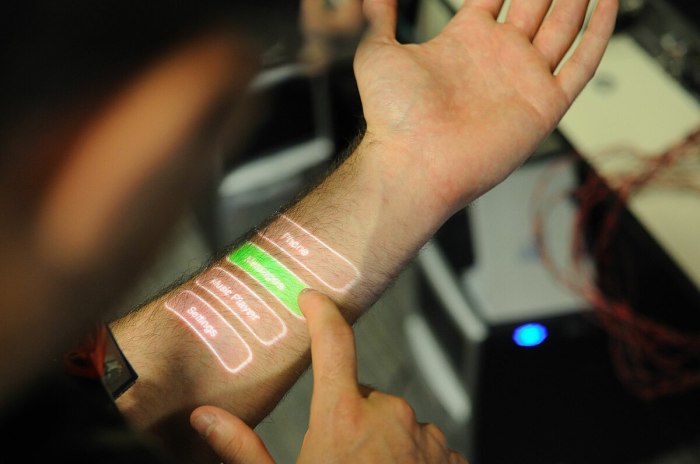
Wearable technology trends are revolutionizing the way we interact with the world around us. From smartwatches that monitor our heart rates to fitness trackers that help us achieve our health goals, these devices have become integral to our daily lives. As technology continues to evolve, so does the potential for wearables to enhance our productivity and well-being.
With advancements in mobile computing and electronics, wearables are not just gadgets; they are transforming how we approach health, fitness, and even our daily tasks. The growing adoption of these technologies across various demographics highlights their increasing significance in modern society.
Emerging Wearable Technology Trends
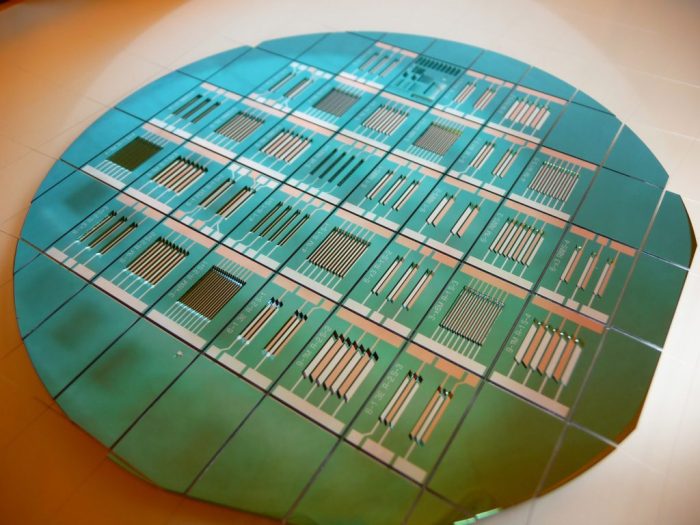
The landscape of wearable technology is rapidly evolving, introducing innovative devices that enhance our daily lives. From advanced smartwatches to sophisticated fitness trackers and immersive augmented reality (AR) glasses, these gadgets are not merely accessories; they are transforming how we interact with technology. As features improve and more consumers embrace these devices, we witness a significant shift in the market dynamics and user engagement.Recent advancements in wearable tech showcase a remarkable integration with mobile computing and electronics.
Smartwatches now offer capabilities that extend far beyond telling time, including health monitoring, messaging, and even mobile payment systems. Fitness trackers have become more accurate with advanced sensors that measure a variety of metrics, including heart rate, sleep patterns, and even blood oxygen levels. AR glasses are making waves by providing users with an interactive experience, overlaying digital information onto the physical world.
This fusion of technology not only enhances functionality but also creates a more seamless user experience across different devices.
Latest Advancements in Smartwatches
Smartwatches have become a cornerstone of wearable technology, evolving into powerful health and communication tools. Recent models from companies like Apple and Samsung feature advanced health monitoring capabilities, including ECG readings and body temperature tracking. The integration of mobile computing in smartwatches allows users to receive notifications, reply to messages, and even control smart home devices directly from their wrist.
Moreover, the introduction of cellular-enabled models means users can leave their smartphones behind while still staying connected.
Progress in Fitness Trackers
Fitness trackers are also witnessing significant improvements, with leading brands such as Fitbit and Garmin enhancing their devices with cutting-edge technology. These trackers now incorporate GPS for accurate distance tracking, as well as heart rate variability (HRV) monitoring to provide users with insights into their overall health. As more people become health-conscious, the market for fitness trackers has seen an increase in adoption among various demographics, particularly among younger individuals and health enthusiasts.
Adoption Rates and Demographic Trends
User adoption of wearable technology has seen a steady rise, with recent surveys indicating that around 30% of adults in developed countries own at least one wearable device. This trend is particularly pronounced among younger demographics, such as millennials and Gen Z, who value technology that enhances their active lifestyles. Notably, studies indicate that smartwatches have a higher adoption rate among urban populations, where lifestyles are often more fast-paced, leading to increased demand for convenient, on-the-go technology.
“By 2025, it’s estimated that the global wearable technology market will surpass $100 billion, driven by innovations and increasing consumer awareness.”
As wearable technology continues to advance, devices are becoming increasingly integrated with mobile ecosystems, enhancing user convenience and encouraging broader adoption across various age groups. Consumers are beginning to see wearables as essential tools for maintaining health and connectivity, further driving innovation and growth in this dynamic sector.
Impact on Health and Fitness
Wearable technology is revolutionizing the way we approach health monitoring and fitness tracking. With devices like smartwatches and fitness bands, individuals can access real-time health data at their fingertips, making it easier to maintain healthy lifestyles. This transformation has not only improved personal fitness but has also contributed significantly to preventive healthcare measures.The role of wearable devices in health data analytics is pivotal, as they collect a wealth of information related to physical activity, heart rate, sleep patterns, and more.
This data serves as a foundation for informed health decisions and can facilitate early detection of potential health issues. As technology advances, the accuracy and functionality of these devices continue to improve, enhancing their effectiveness in monitoring health metrics.
Advancements in Hardware Enhancing Accuracy
Recent advancements in hardware technology are leading to significant improvements in the accuracy and functionality of health-related wearables. These innovations include:
- Enhanced Sensors: Newer wearables are equipped with advanced sensors that provide precise measurements of heart rate variability, oxygen saturation, and other vital signs. For instance, devices that utilize photoplethysmography (PPG) technology have shown remarkable accuracy in tracking heart rates during various activities.
- Integration of AI: Many wearables now incorporate artificial intelligence algorithms that analyze user data in real-time. This allows for personalized health recommendations, improving overall user engagement and encouraging healthier habits.
- Improved Battery Life: As technology progresses, the longevity of wearables has markedly increased, allowing users to track their health metrics consistently over extended periods without frequent recharging.
- Multi-functionality: Wearable devices are evolving to incorporate multiple health metrics into a single device, such as tracking ECG, sleep quality, and physical activity levels, providing a comprehensive overview of the user’s health.
These advancements not only enhance user experience but also encourage a proactive approach to health management. Through accurate data collection and analysis, wearables empower users to make informed decisions regarding their fitness and overall well-being, leading to a healthier lifestyle.
Future of Wearable Technology
Wearable technology is set to evolve dramatically over the next decade, promising exciting advancements that will redefine how we interact with our everyday environments. With rapid innovations in materials, sensors, and connectivity, wearables are not just about tracking health metrics anymore; they are moving towards becoming indispensable tools in our daily lives.The future of wearable technology will likely see the integration of more sophisticated sensors and AI capabilities, enabling devices to interpret vast amounts of real-time data.
This evolution will not only enhance user experience but also open avenues for significant health interventions and lifestyle improvements. Wearable tech will increasingly leverage advancements in programming and software development, leading to more personalized and capable devices.
Intersection of Wearable Technology with Programming and Software Development
As the functionality of wearable devices expands, so does the need for robust programming and software solutions. Developers will play a critical role in creating applications that maximize the potential of these devices. The coding languages and frameworks used in wearable tech development will become more accessible, allowing a wider range of developers to contribute to this growing field. Key aspects of this intersection include:
- Increased Personalization: Advanced algorithms will allow for tailored user experiences, adapting settings based on individual data and preferences.
- Interoperability: Future wearables will need to seamlessly connect with various platforms, necessitating comprehensive APIs and integration strategies.
- Real-Time Data Processing: The demand for instant feedback will push developers to enhance the speed and efficiency of data handling.
Emerging Trends in Security Regarding Data Privacy in Wearable Devices
As wearables collect sensitive information, the focus on data privacy and security will become paramount. Users are increasingly aware of their data rights and the potential misuse of their information. The industry must adapt to these concerns through innovative security measures.Considerations regarding security trends include:
- End-to-End Encryption: Ensuring that data transmitted from wearables to servers is encrypted will be a standard practice to safeguard user information.
- User Control over Data: Future wearables will likely empower users with more control options regarding what data is shared and with whom.
- Compliance with Regulations: Adherence to data protection regulations, such as GDPR and HIPAA, will influence how wearable technology is developed and marketed.
“The future of wearables relies heavily on maintaining user trust through robust security and privacy measures.”
End of Discussion
In summary, the wearable technology trends we see today are just the beginning of a remarkable journey that will continue to unfold in the coming years. As innovations in hardware and software intersect, we can expect even greater improvements in health monitoring, fitness tracking, and data security. Embracing these trends will not only enhance our lifestyles but also empower us to take control of our health and personal data.
Q&A
What types of wearable technology are available?
There are numerous types of wearable technology, including smartwatches, fitness trackers, smart clothing, and augmented reality glasses.
How do wearables enhance health monitoring?
Wearables provide real-time health data, enabling users to track metrics like heart rate, sleep quality, and physical activity, which can lead to better health management.
Are wearable devices secure?
While many wearable devices have security measures in place, users should always be cautious about data privacy and choose devices with robust security features.
How can wearables impact fitness goals?
Wearables can motivate users by providing insights into their progress, setting achievable goals, and offering reminders to stay active.
What is the future of wearable technology?
The future of wearable technology may include more advanced integration with AI, improved health analytics, and innovative designs that focus on user comfort and style.


